
What Is Ground Clearance? Why does it matter for SUVs, and which have the most
Ground clearance affects how easily a car deals with everyday obstacles: kerbs, steep driveways, multi-storey ramps, snow and unpaved surfaces. It’s one of the simplest measurements on a spec sheet — but also one of the most misunderstood.
This guide explains what it really means, how much you actually need, and highlights several SUVs from the Drivesize database with the lowest and highest clearances.
You can compare any of these vehicles side-by-side on Drivesize.
What Ground Clearance Actually Is
Ground clearance is the distance from the road surface to the lowest fixed part of a vehicle’s underside.
It’s a single measurement that tells you how much space the vehicle has before anything underneath makes contact with the ground.
It varies between cars because of:
- Vehicle type — SUVs sit higher; saloons sit lower.
- Purpose — off-roaders prioritise higher clearance; sporty cars prioritise lower clearance for stability.
- Powertrain packaging — some EVs sit lower because the battery forms part of the floor structure.
If you want to know what other car dimensions (like wheelbase) mean, look here.
Why Ground Clearance Matters in Real Life
Ground clearance affects how a vehicle handles height changes and uneven surfaces.
Common situations where it matters:
Kerbs and verges
Higher vehicles step on and off kerbs without scraping the underside.
Steep driveways / garage lips
Low cars reach the breakover point sooner and can scrape. Higher cars maintain clearance.
Multi-storey ramps
The change in angle at the top and bottom of ramps is easier for high-clearance vehicles.
Speed bumps
More clearance means less risk of the underbody touching speed bumps.
Snow, mud or gravel
Deep surfaces “eat into” your available clearance. The deeper the surface, the more ground clearance is required to avoid the underside dragging.
Ground clearance is essentially about how much room you have before the car underside touches the ground — and how relaxed the car feels on your normal roads.
How Much Ground Clearance You Need (By Use Case)
The amount of ground clearance you want from your car depends on the surfaces you drive on. We’ve put together these ranges as practical real-world guidelines, followed by examples from our Drivesize dataset.
City driving and suburbs (mostly tarmac)
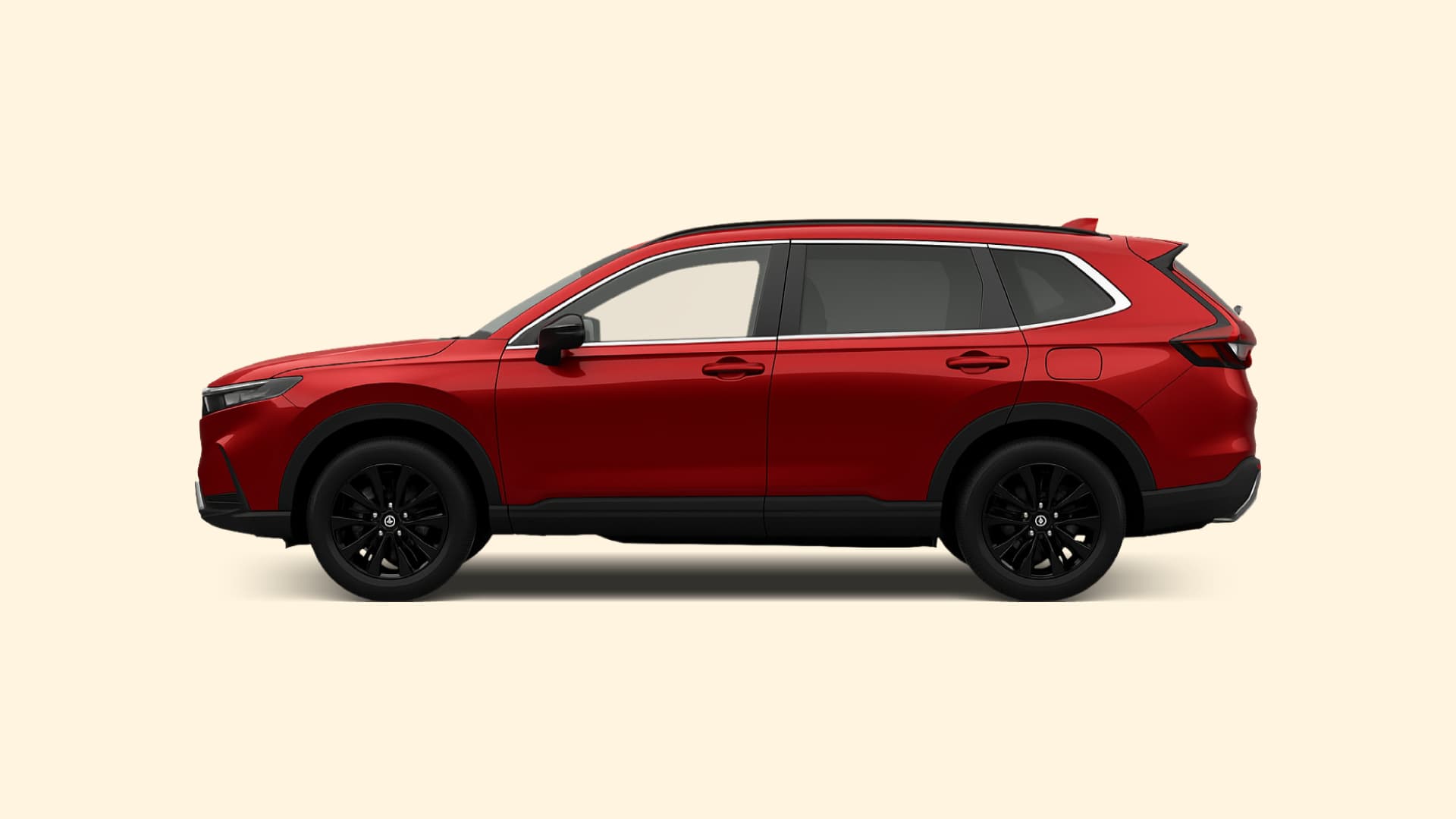
12–16 cm (4.7–6.3 in)
This range gives enough height to clear speed bumps, car-park ramps, kerbs and tight entrances. Most modern crossovers and EVs sit here.
The Honda CR-V PHEV sits in this range with a ground clearance of 14.9 cm (5.9 in).
Mixed urban + rural + occasional rough surfaces
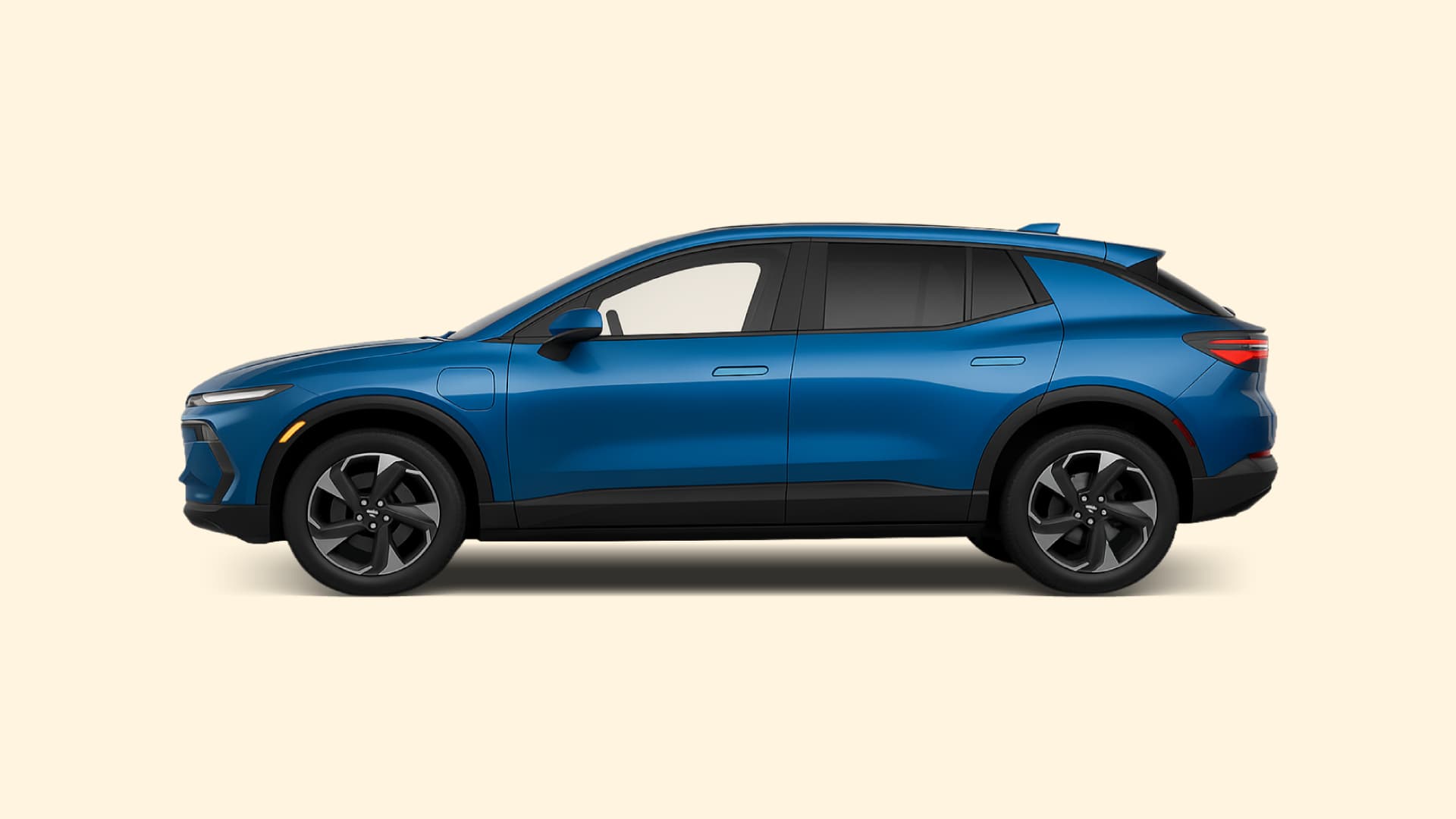
16–19 cm (6.3–7.5 in)
This range adds tolerance for steeper driveway angles, broken road patches, mild gravel and winter conditions. Useful if your routes regularly take you off smooth city tarmac.
The Tesla Model Y with 16.76 cm (6.6 in) ground clearance and Chevrolet Equinox EV with 16.3 cm (6.4 in) are both great for this type of road use.
Regular snow, rural roads or poor road surfaces
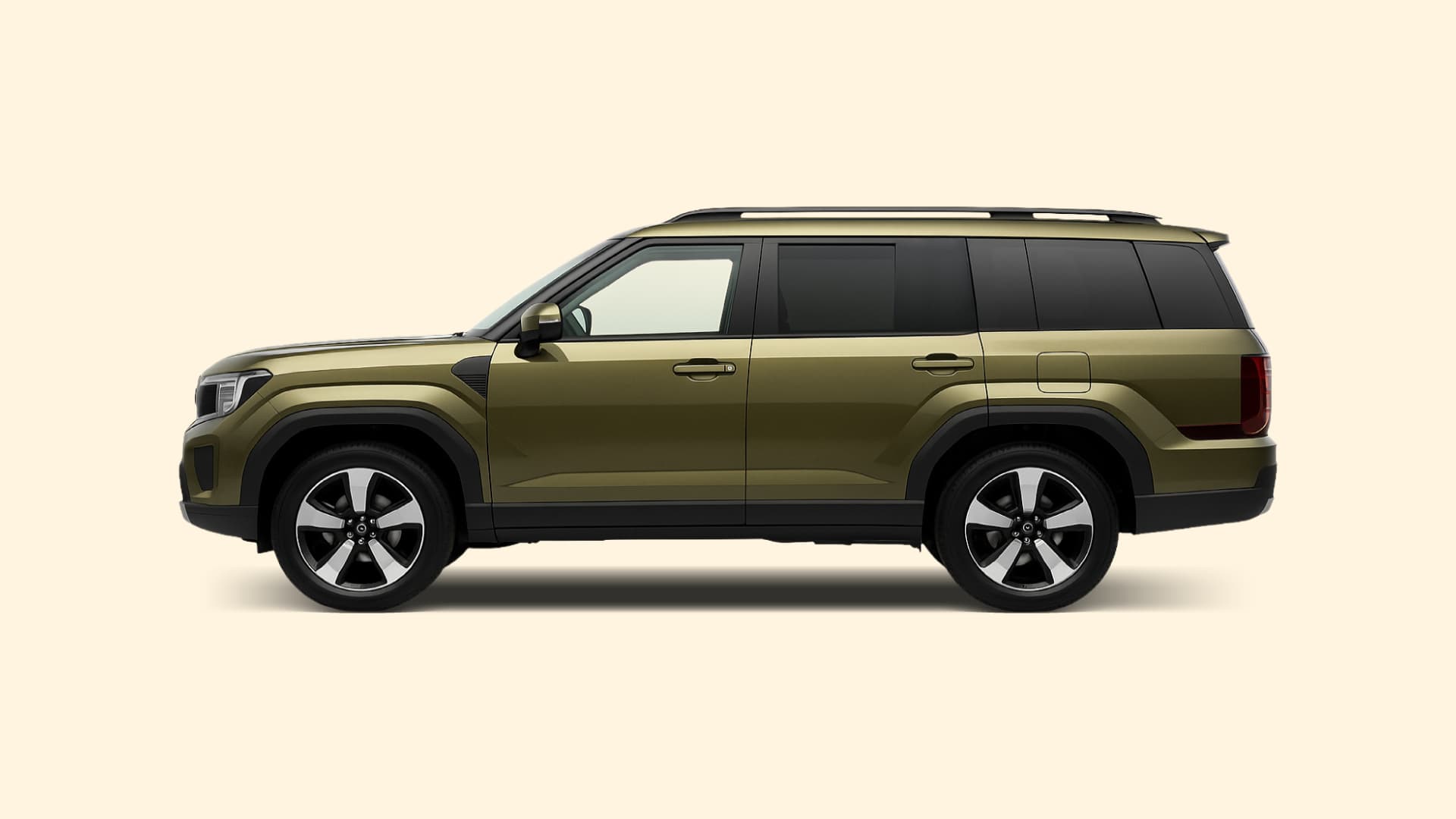
19–21 cm (7.5–8.3 in)
This is a strong all-weather band for drivers in mixed climates, recommended for varying winter conditions or rougher access roads. It gives more margin once snow depth, mud or deep potholes appear.
Examples include the Toyota Highlander at 20.3 cm (8.0 in) and the Hyundai Santa Fe Hybrid at 20.8 cm (8.2 in).
Rough tracks / deeper ruts
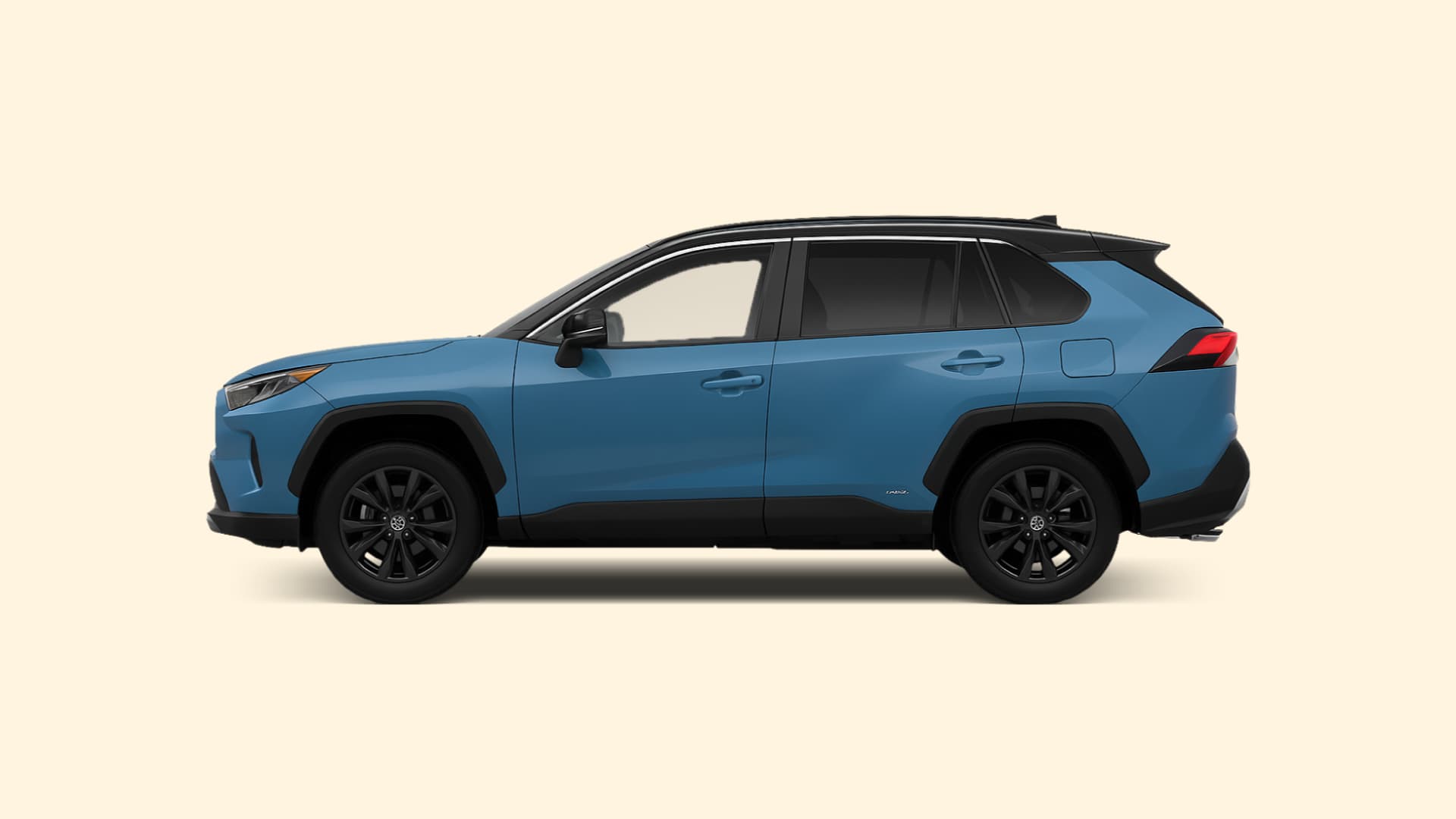
21–23 cm (8.3–9.1 in)
This band is a noticeable step up in capability, allowing the car to clear deeper ruts and more aggressive camber changes. Useful for regular unpaved use, not occasional.
The Toyota RAV4 sits in this range at 21.3 cm (8.4 in) ground clearance.
Off-road / trail use
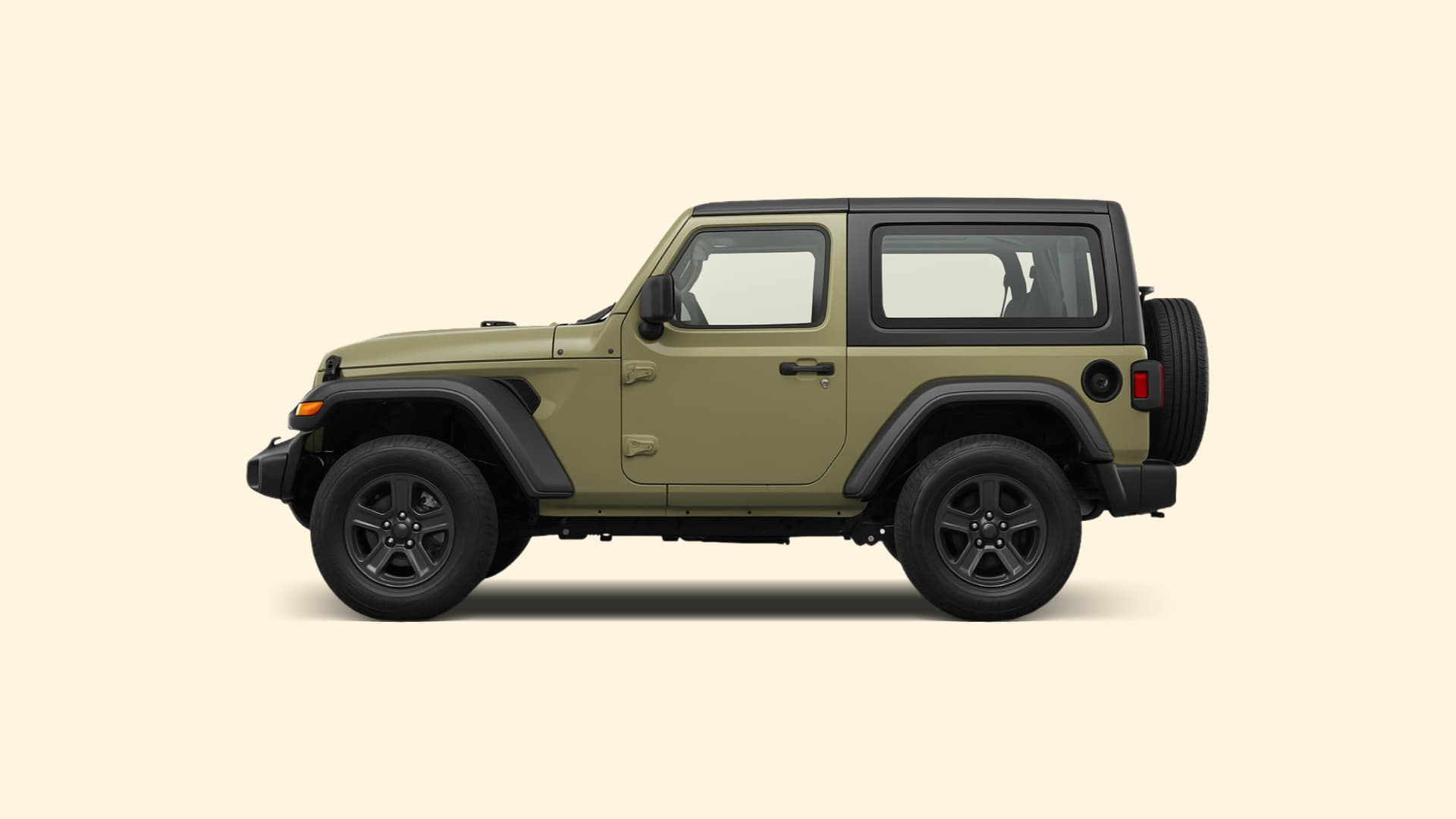
23–26 cm (9.1–10.2 in)
Cars with a ground clearance in this range are designed for breakover angles, deep ruts and non-uniform surfaces. This band is only necessary for deliberate off-road use.
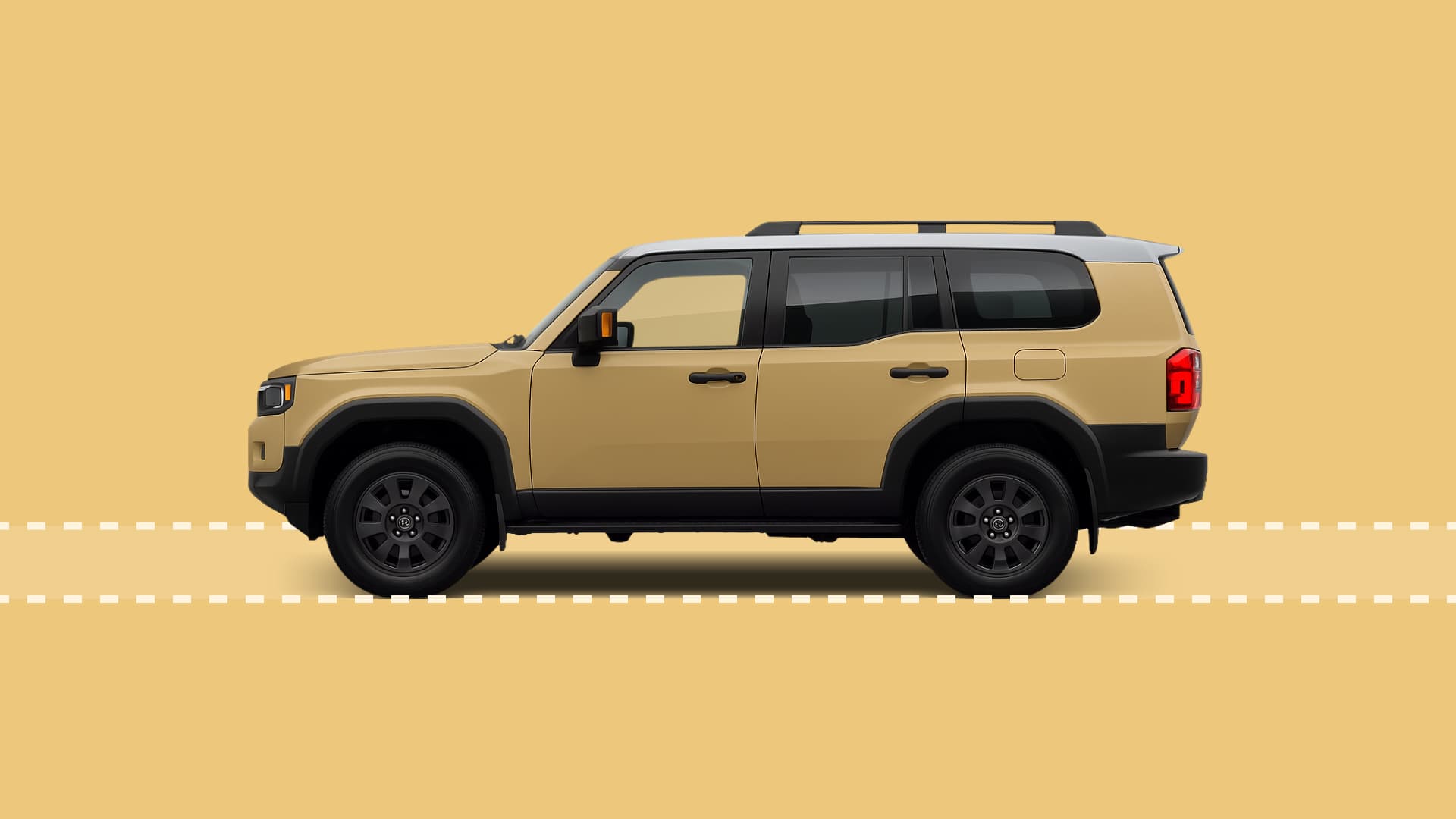
Examples include the Toyota Land Cruiser at 23.0 cm (9.1 in) and the Jeep Wrangler ICE at 24.6 cm (9.7 in) and PHEV at a huge 25.7 cm (10.1 in) ground clearance.
Realistically, drivers rarely need more than ~20 cm (7.9 in). Figures above 21 cm (8.3 in) are helpful but unnecessary unless your routine genuinely involves rough tracks, heavy snow or off-road terrain.
High vs Low Clearance: Pros & Cons
Lower clearance (11–21 cm / 4.3–8.3 in) Most family SUVs sit in this band.
This covers everything from low crossovers and EVs up to the upper end of mainstream SUVs.
Pros
- More stable and planted at higher speeds
- Lower step-in height for passengers
- Often more aerodynamic (beneficial for EV range)
Cons
- Needs more care on steep driveways and tall speed bumps
- Less margin on snow, gravel or broken surfaces
- Limited suitability for rough tracks
Higher clearance (21–26 cm / 8.3–10.2 in)
This is where capability starts to lean toward rougher terrain and off-road suitability.
Pros
- Better breakover angles on uneven ground
- More tolerance on rugged tracks, snow and loose surfaces
- Reduced likelihood of underside contact
Cons
- Slightly higher centre of gravity
- Taller step-in height
- Capability that many drivers may not need daily
Most drivers fit very comfortably within the lower range. Clearances above 21 cm (8.3 in) become useful when routes involve snow, uneven surfaces or deliberate off-road use.
Choosing the Right Height
Measurements are useful, but seeing the difference matters more.
On Drivesize you can:
- Compare two SUVs side-by-side in profile
- Overlay the lower clearance Mustang Mach-E (11.6 cm / 4.6 in) against a high clearance Jeep Wrangler (24.6 cm / 9.7 in) or any other combination
- Switch to compare sedans vs crossovers vs full SUVs
The visual comparison shows the gap more clearly than specs alone.
FAQs
What is good ground clearance for an SUV?
Around 16–18 cm (6.3–7.1 in) for general use; 20 cm+ (7.9+ in) for snow or rough access roads.
Is higher clearance always better?
No. Higher improves capability but can reduce stability at speed. Choose based on the surfaces you drive on most.
Do EVs tend to have lower clearance?
Some do due to battery placement, but not all. Always check the actual figure — for example, the Tesla Model Y sits at 16.76 cm (6.6 in).
How do I know what I personally need?
Match it to your environment:
City: ~12–16 cm (4.7–6.3 in)Mixed: ~16–19 cm (6.3–7.5 in)Snow / rough surfaces: ~19–21 cm (7.5–8.3 in)Off-road: 23+ cm (9.1+ in)
Cars mentioned in this article


